Idaho Zip Codes and Cities: Your Ultimate Guide to Understanding Every Number and Neighborhood
Idaho Zip Codes and Cities: Your Ultimate Guide to Understanding Every Number and Neighborhood
Navigating Idaho’s vast and varied landscape begins with understanding its zip codes and cities—essential tools for residents, businesses, and visitors alike. Each zip code in Idaho is more than just a set of numbers; it’s a gateway to faster mail delivery, accurate emergency services, efficient logistical planning, and deeper neighborhood insights. This comprehensive guide cuts through the complexity, offering a clear, structured overview of Idaho’s postal system, key cities, and how zip codes shape daily life across the Gem State.
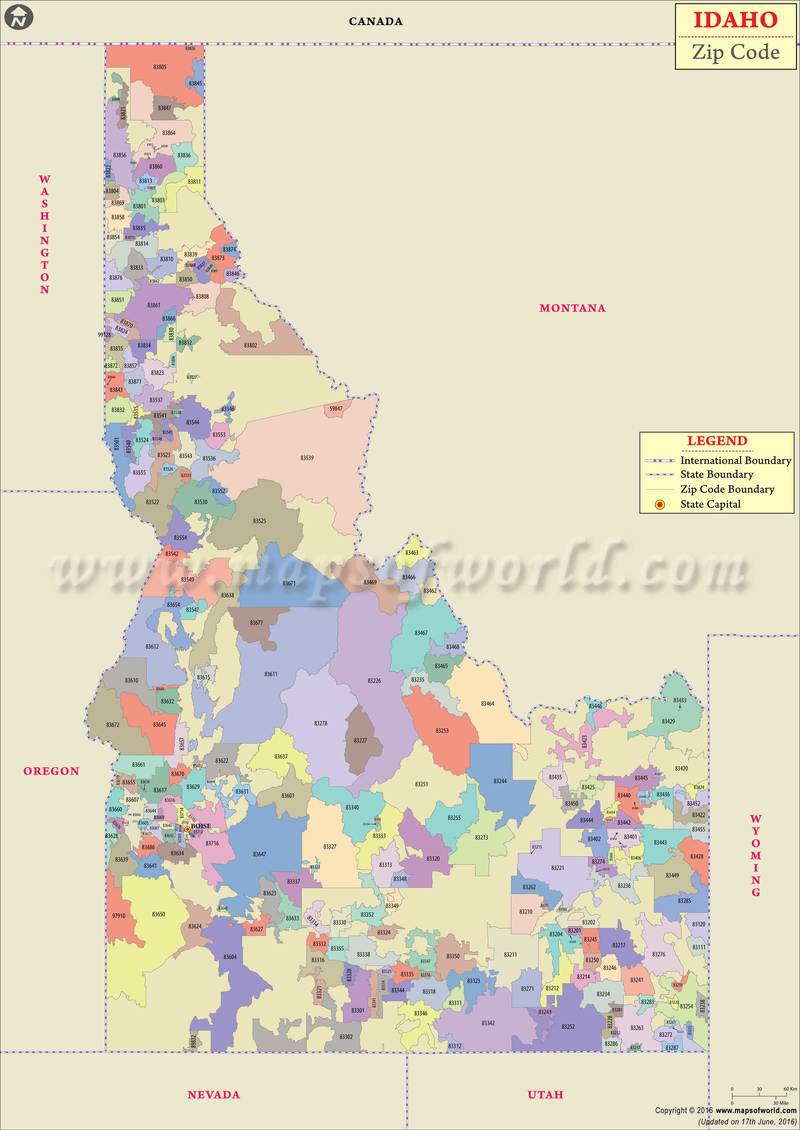
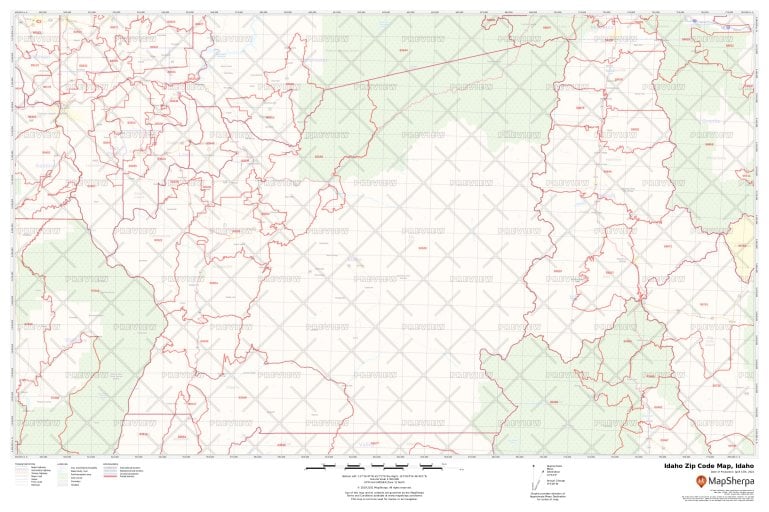
Zip codes in Idaho serve dual roles: routing mail and segmenting geographic zones for data analysis, emergency response, and community planning. Unlike many states, Idaho maintains a streamlined zip code structure that reflects both urban density and rural accessibility. With 838, 839, 840, 841, 842, 843, 844, 845, and 846 identified across the state, each zip corresponds to distinct municipal boundaries, neighborhoods, and infrastructure zones—making precise addressing not just a convenience, but a necessity.
The Greatest Cities and Their ZIP Codes: Where Idaho’s Population Thrives
Idaho’s population concentration centers in its major cities, each anchored by specific zip codes that define their service areas and community character. Understanding these hubs ensures smoother interactions with postal, governmental, and business networks. - **Boise** – Idaho’s capital and largest city, Boise leads in population and economic activity.Key zip codes include 83701 (downtown core), 83702 (North End and residential zones), and 83703 (government and institutional districts). Boise’s zip codes reflect a blend of urban infrastructure, tech-driven neighborhoods, and growing suburban reach.
- Idaho Falls – Serving as a major healthcare and education hub in southeastern Idaho, Idaho Falls straddles 84001–84004. These codes cover downtown, industrial parks, and the expansive Mesa Ridge communities, supporting a diverse and expanding regional population.- Coair – Often called the gateway to the Shadow Drive corridor, Coair’s primary zip is 83616, encompassing residential neighborhoods, the Coair High School district, and key access routes to inland Idaho regions. - Lavano – Though smaller, Lavano’s 83631 zip code highlights suburban residential growth north of Coair, with steady demographic shifts and community development. - Burley – Known for its proximity to the Snake River and agricultural opportunities, Burley’s core zip, 83603, includes both farmlands and expanding housing subdivisions, bridging rural and urban zones.
- Caldwell – As a regional retail and cultural center in the Treasure Valley, Caldwell’s central zip, 83615, supports major interchanges, shopping districts, and civic institutions, playing a pivotal role in eastern Idaho supply chains. Each city’s zip code district is intentionally defined to align with municipal planning, postal efficiency, and emergency response zones, ensuring that services are targeted and accessible.
Zip Code Boundaries: More Than Just Numbers—Community Identities Zip codes in Idaho do not align perfectly with political boundaries but instead reflect geographic, demographic, and infrastructural realities.
For instance, 84002 includes parts of Idaho Falls beyond the downtown core, capturing sprawling residential areas and surrounding commercial nodes. Similarly, 83701 focuses on Boise’s central business district and historic neighborhoods, excluding outlying rural parcels. Key insights into zip code design: - Urban centers use lower numerical codes (e.g., 83701–83704) for downtown and high-density zones.
- Suburban and semi-rural areas transition into higher numbers (e.g., 83610–83631), reflecting lower population density and community identity. - Rural zip codes (e.g., 83606, 83616) often denote scattered settlements, agricultural zones, or small villages with limited mail delivery points. - Zip codes evolve; periodic redistricting occurs to reflect population growth or demographic shifts, particularly evident in Boise’s expanding northern and eastern zones.
These boundaries matter not only for mail but also for access to services, voter districts, school zones, and local economic planning. Accurate address mapping—factoring in zip precision—is a foundation for civic engagement and business logistics.
Practical Uses: How Idaho Zip Codes Shape Daily Life Beyond identification, Idaho zip codes influence countless everyday transactions and services: - **Mail and Shipping**: Ron Paul, a geography expert, notes, “Accurate zip codes ensure your packages reach within24 hours, not weekends.” Each zip filters delivery routes with surgical precision, enabling USPS and couriers to optimize service across Idaho’s rugged terrain and distant ranches.
- **Emergency Services**: A 911 call with a Boise zip code (e.g., 83702) automatically connects operators to precise incident locations, cutting response times in an area where response windows can mean life or death. - **Taxation and Local Government**: Property tax assessments in Coeur d’Alene’s 83814 or Pocatello’s 83444 rely directly on zip data, enabling fair distribution of services reflected in local budgets. - **Business Expansion**: Retailers, logistics firms, and tech startups use zip coding to evaluate market reach, optimize delivery networks, and identify underserved zones—especially critical as Idaho’s economy diversifies beyond agriculture and mining.
- **Community Planning**: ZIP distribution shapes infrastructure projects—from school district planning in rural Lava Hot Springs (83631) to broadband deployment in remote Eastern Idaho zip codes like 83606. These applications underscore that zip codes are not just numbers but dynamic tools embedded in Idaho’s urban and rural ecosystems, driving efficiency and equity across the state.
Each zip code in Idaho—whether numbering a city block in Boise or marking a farm in Northern Idaho—serves as a vital thread in the state’s social and logistical fabric.
Understanding their design and purpose empowers residents, businesses, and officials to navigate Idaho with precision, confidence, and clarity.
The Future of Idaho Zipping: Growth, Technology, and Connectivity
As Idaho continues to grow—particularly in the Treasure Valley and Continental Divide corridors—zip code systems evolve to accommodate new developments, demographic shifts, and smart infrastructure. Geographic Information Systems (GIS) are increasingly used to refine zone definitions, while digital mapping tools enhance real-time access to zip data. This modernization supports smarter urban planning, efficient emergency routing, and responsive government services, ensuring Idaho remains connected and resilient in a changing world.Informed by data, marked by precision, and vital to every transaction, Idaho’s zip codes and cities form the backbone of a state defined by both independent spirit and interdependent networks—proof that even the smallest numbers matter when building community.
Related Post

When Did The Xbox One S Come Out—A Game-Changer Revealed in Late 2016

Billy's Voice Acting in Zenless Zone Zero: Where Talent Drops Virtual Weights

Update: Jesse Watters Illness & Health Discussions Trigger National Conversation
Paul Reubens: Peewee Herman’s Velocity Icon Dies at 70, Ends a Pub Crawl With Legacy That Endures</h2> In a twilight marked by both cinematic memory and untold facets of his life, Paul Reubens, the man behind the slobbery, eccentric, and outspoken Peewee Herman, passed away at 70. Known for redefining childhood rebellion on screen, Reubens’ death closes a chapter in American pop culture, one that blended vulgar humor with heartfelt authenticity. Once a household name from the 1980 hit film, his legacy extends far beyond the red-and-white striped shorts, now inseparable from the character who captured a generation’s cantankerous charm. <p>Born in Baltimore, Maryland, in 1952, Reubens emerged not just as an actor but as a performer unafraid of pushing boundaries. His embodiment of Peewee Herman—a defiant, snarly-haired antihero—blended physical comedy with sharp, streetwise dialogue that struck a chord with audiences hungry for authenticity. The Peewee Herman series, though commercially successful, often overshadowed Reubens’ broader artistic range. Few realize he appeared in Broadway plays, voice acting, and even avant-garde theater, proving his talents extended well beyond children’s television. As *Chicago Sun-Times* noted in its obituary, “Reubens was more than a child star—he was a performer who leveraged innocence into subversion.” <h3>A Career Built on Risk and Voice</h3> Reubens’ early career was defined by bold choices. Before Peewee, he starred in off-Broadway productions such as *The Spook Who Sat by the Door*, where his dramatic range simmered beneath the surface, hinting at complexity beneath the goof. With Peewee Herman, launched in 1985, he abandoned subtlety entirely: “Make them laugh, make them weird, make them remember,” Reubens once said, capturing the essence of his performative philosophy. The character’s signature voice—raspy, gravelly, dripping with sass—became iconic, a vocal signature recognized by millions. <p>The 1980s explosion of Peewee Herman’s films turned Reubens into a curious cultural paradox: a serious actor whose most beloved role was pure absurdity. Yet, in interviews, he insisted his performance was deliberate—a nuanced portrait of teenage defiance. “I didn’t play a cartoon character,” he explained. “I played a version of me—rough around the edges, protective of friends, screwed up, but loyal.” This authenticity resonated in an era increasingly skeptical of artificial corporate branding, making Peewee’s appeal timeless. <h2>Personal Life and Shadows Beyond the Spotlight</h2> Beyond the screen, Reubens navigated a life marked by both acclaim and private complexity. Always a confessed fan of rock ’n’ roll and jazz, his persona extended into music and visual art, though these pursuits rarely entered mainstream discourse. He resided in New York’s Greenwich Village, a neighborhood steeped in artistic tradition, maintaining long-standing friendships with peers across disciplines. <p>Despite the glare of fame, Reubens valued privacy fiercely. The Velvet Crimeoclub — a performance space and cultural hub — served as a sanctuary where he entertained trusted artists and writers. In rare public appearances, he spoke candidly of battling creative stagnation and the weight of typecasting, once remarking, “People remember the mask, not the man.” Such reflections humanized the performer, revealing layers beneath the red-and-white attire. <h3>Leadership, Mentorship, and the Legacy of Peewee</h3> Reubens’ influence reached beyond performance into mentorship. He supported emerging artists through workshops and collaborative projects, particularly those exploring boundary-pushing storytelling. The Peewee Herman Archive, now studied in theater programs, illustrates how he transformed personal quirks into universal themes of identity and belonging. <p>The character became a cultural touchstone, symbolizing youthful rebellion and resilience, but Reubens resisted reducing himself to a symbol. “Herman isn’t me,” he clarified in *Sun-Times* features, “he’s a story I inherited—and a story I continue telling, oddly enough, decades later.” This duality—public icon, private craftsman—defined his enduring presence. <h2>Enduring Impact: Why Peewee Herman Still Slaps the Nerve</h2> Even after the curtain fell, Peewee Herman retains pulse in internet memes, fashion revivals, and genre homages. His snarl, “You ya ridiculous—bury me!” echoes in viral clips and social commentary. Yet Reubens’ true legacy lies not in viral fame but in the authenticity he brought to every role. <p>Critics and fans alike praised his ability to fuse humor with emotional truth. As theater historian Dr. Elena Park observed, “Reubens taught audiences that vulnerability and absurdity coexist. He made slobberness feel sincere.” Whether in a Intervals show, a Broadway curtain call, or a private art session, Paul Reubens remained fundamentally creative—too often typecast, never fully understood. <h1>Paul Reubens, Peewee Herman’s Velocity Icon Dies at 70 — Ends a Velocity Legacy That Never Grew Old